
Planning a wedding involves many important decisions, from selecting a venue and arranging catering to coordinating photography, flowers, and guest accommodations. One detail that can have a major impact on the entire celebration is transportation. When the couple, wedding party, family members, and guests need to travel between different locations, a well-organized transportation plan helps keep the day comfortable and on schedule.
Wedding Party Transportation in Dublin, CA, is an important consideration for couples hosting ceremonies, receptions, and pre-wedding celebrations in Dublin and the surrounding Tri-Valley area. Whether a wedding takes place at a banquet hall, hotel, private estate, religious venue, or outdoor location, arranging transportation in advance can help reduce delays and make travel easier for everyone involved.

Dublin is located in Alameda County, in California’s Tri-Valley region. Its connections to Pleasanton, Livermore, San Ramon, and other nearby communities make it a practical location for weddings involving guests from different parts of the Bay Area. However, travel between hotels, ceremony sites, reception venues, and photography locations requires careful coordination.
Tri-Valley Limousine provides a useful context for understanding the different transportation choices available for weddings in the area. From elegant bridal vehicles to spacious group transportation, couples can consider several options based on their guest count, schedule, budget, and preferred wedding style.
This guide explores the best wedding transportation options, bridal transportation ideas, group travel arrangements, and practical planning tips for weddings in Dublin, California.
1. Why Wedding Transportation Matters in Dublin, CA
Wedding transportation is more than simply arranging a vehicle to reach the ceremony. It involves coordinating multiple people, destinations, and schedules while allowing the couple and their guests to enjoy the occasion.
A typical wedding day may include transportation from a hotel to the ceremony, travel to a photography location, and a separate journey to the reception. Some celebrations also include rehearsal dinners, family gatherings, and after-party arrangements.
Without a clear transportation plan, guests may arrive at different times, parking areas may become crowded, and members of the wedding party may struggle to reach the next location together.
Managing Travel Between Wedding Locations
Couples who plan separate ceremony and reception locations should determine how everyone will travel between them. For example, a ceremony in Dublin followed by a reception in Pleasanton or Livermore may require additional travel time and coordination.
A professional transportation arrangement can establish pickup points, departure times, and passenger lists before the wedding day.
Improving Guest Comfort
Wedding guests may include older relatives, children, out-of-town visitors, and people unfamiliar with local roads. Providing suitable transportation helps simplify their travel arrangements.
Guests staying at hotels in Dublin or nearby cities may appreciate a coordinated shuttle service rather than having to navigate unfamiliar streets or search for parking.
Supporting the Wedding Schedule
Wedding photography, ceremony entrances, cocktail hours, and reception introductions often follow a carefully planned timeline. Transportation should fit into that schedule.
Allowing extra time for loading passengers, traffic, and venue access can help prevent small delays from affecting the rest of the celebration.
2. Best Wedding Transportation Options
The best wedding transportation depends on the size of the wedding party, the distance between locations, the couple’s preferences, and the overall event schedule. Not every wedding requires the same type of vehicle.
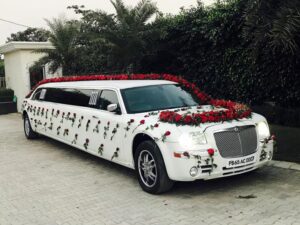
Some couples prefer an elegant vehicle for their arrival, while others prioritize moving a large group of relatives and friends together.
Luxury Limousine Service
A limousine is a traditional option for couples who want a distinctive arrival at their wedding ceremony or reception. It can also provide transportation for the bride and groom between selected locations.
Limousines may suit formal celebrations, classic wedding themes, and couples who want dedicated travel arrangements separate from the guest transportation plan.
Before choosing a limousine, confirm its passenger capacity, luggage space, entry and exit arrangements, and suitability for the wedding dress. The number of passengers should remain within the vehicle’s approved seating capacity.
Luxury Sedan Transportation
A luxury sedan can be suitable for a couple, a parent, or another individual who needs private transportation.
Sedans are especially useful when a large vehicle is unnecessary or when the wedding itinerary includes narrow driveways, limited loading areas, or short transfers between nearby locations.
They can also provide separate transportation for the groom, close family members, or an officiant.
SUV Wedding Transportation
A luxury SUV offers an alternative for small groups who need more passenger or luggage space than a sedan can provide.
Depending on its configuration, an SUV may accommodate members of the wedding party, family members, or personal belongings such as garment bags and small wedding essentials.
Couples should check the actual seating capacity and available cargo space before confirming a booking. A large wedding dress, multiple bags, and formal clothing may require more room than expected.
Sprinter Van Transportation
A Mercedes-Benz Sprinter van or another suitable passenger van can be practical for transporting bridesmaids, groomsmen, immediate family members, or small groups of guests.
This option can help keep a group together during travel between a hotel, ceremony venue, and reception location.
Sprinter vans are available in different configurations, so passenger capacity varies. Confirm the number of approved seats, accessibility requirements, and luggage arrangements before booking.
Wedding Shuttle Bus Service
A wedding shuttle is often one of the best wedding transportation options for celebrations with many guests.
A shuttle can operate between designated hotels and the wedding venue or provide transfers between a ceremony and reception. Depending on the guest count, couples may arrange one or multiple vehicles with scheduled departures.
This approach is especially helpful when parking is limited or when many guests are staying at the same hotel.
The right shuttle plan should consider vehicle capacity, the distance between stops, expected travel time, and the number of trips required.
Party Bus for Wedding Celebrations
A party bus may suit couples who want group transportation for a lively wedding party, bachelor or bachelorette celebration, or selected transfers during the wedding weekend.
It provides a shared travel environment for friends and relatives, although its suitability depends on the wedding’s tone and the group’s requirements.
For formal ceremonies, couples may prefer a separate vehicle for the bride and groom and reserve the party bus for the wedding party or later celebrations.
3. Bridal Transportation in Dublin, CA
Bridal transportation deserves special attention because the bride’s travel arrangements may involve a detailed dress, accessories, hair and makeup, photographers, and a strict ceremony schedule.

Bridal Transportation in Dublin, CA, should prioritize comfort, adequate space, privacy, and reliable timing.
Choosing a Vehicle for the Bridal Dress
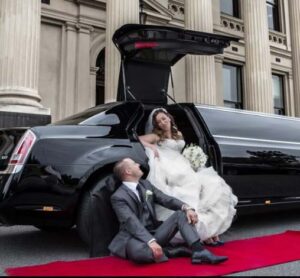
Wedding dresses vary considerably in length, shape, and structure. Ball gowns, dresses with long trains, and designs with delicate fabrics can require extra room during travel.
A spacious vehicle may make entering, exiting, and sitting more comfortable. Couples should explain the dress style when discussing transportation so they can select a suitable vehicle.
The bride should also consider whether the vehicle offers enough room for a veil, bouquet, shoes, emergency sewing kit, and other personal items.
Planning the Bridal Pickup
The bridal pickup location may be a family home, hotel suite, salon, or another preparation site.
When arranging pickup, confirm the exact address, entrance, designated waiting area, and time the bride needs to arrive. Large hotels may have several entrances, while residential locations may have limited space for vehicle access.
It is useful to assign one person, such as a wedding planner or bridesmaid, to communicate with the transportation provider on the day.
Transportation for Bridesmaids
Bridesmaids may need to travel from the same hotel or preparation location to the ceremony.
A suitable passenger van or other group vehicle can help everyone arrive together and reduce the risk of late arrivals. The group should be ready before the scheduled departure time, with bouquets and personal belongings organized in advance.
If bridesmaids are getting ready at separate locations, consider whether separate pickups or a common meeting point would be more efficient.
Bridal Transportation After the Ceremony
After the ceremony, the bride and groom may need a private transfer to a photography location, reception venue, or hotel.
This portion of the itinerary should include time for congratulations, family photographs, and any planned stops. The transportation schedule should not assume that the couple can leave immediately after the ceremony ends.
For couples wearing elaborate formal clothing, a vehicle with convenient access and enough interior room can make the journey more comfortable.
4. Wedding Transportation Ideas for Different Wedding Styles
Wedding transportation can complement the event’s style while also serving practical purposes. The right arrangement depends on the atmosphere the couple wants to create.
Traditional and Formal Weddings
Traditional weddings often involve a ceremony, formal portraits, and a reception with a planned entrance.
A luxury limousine or sedan can be used for the couple, while a separate shuttle or passenger van handles relatives and friends.
This arrangement keeps the couple’s travel plans separate from the larger guest schedule.
Modern Weddings
Modern weddings may include contemporary venues, personalized ceremonies, and less formal receptions.
An SUV or premium passenger van can offer a practical solution for couples who prefer comfort and simplicity. Transportation can also be coordinated around a photographer’s schedule or multiple locations.
Outdoor and Garden Weddings
Outdoor weddings may take place at gardens, estates, vineyards, or other venues outside central Dublin.
Couples should confirm whether the venue has paved roads, suitable vehicle access, designated drop-off areas, and enough space for larger vehicles to turn around.
Weather conditions and the distance between parking areas and the ceremony site should also be considered.
Large Family Weddings
Large weddings can involve relatives arriving from different cities and generations traveling together.
A scheduled shuttle service can help move groups between hotels and venues without requiring every guest to arrange separate transportation.
For families with older adults or guests who need additional assistance, confirm boarding arrangements and the distance between drop-off points and the event entrance.
Intimate Weddings
A smaller wedding may require only a sedan, SUV, or compact passenger vehicle.
The transportation plan can focus on the couple, immediate family, and a small number of guests. Even with fewer passengers, advance scheduling remains useful when the ceremony and reception occur at separate locations.
5. Planning Wedding Transportation Around Dublin and the Tri-Valley
Dublin’s location in the Tri-Valley region creates several transportation considerations for couples hosting local weddings or inviting guests from nearby communities.
Nearby cities include Pleasanton, Livermore, and San Ramon. Guests may also travel from other parts of Alameda County and the greater San Francisco Bay Area.
Dublin’s Road Connections
Interstate 580 and Interstate 680 are important regional routes serving Dublin and nearby communities.
These highways can provide convenient connections, but travel conditions vary by time of day, weekday, roadwork, and local events. Wedding schedules should not rely exclusively on estimated navigation times.
For weddings involving multiple locations, check expected travel conditions for the actual day and time.
Hotels and Guest Accommodations
Some wedding guests may stay in Dublin, while others may book accommodation in Pleasanton or Livermore.
A hotel shuttle plan should identify the specific hotel entrance, departure time, return schedule, and number of guests expected to use the service.
If guests are spread across several hotels, it may be more efficient to establish a central pickup location, provided it is convenient and appropriate for everyone involved.
Photography Locations
Wedding photography may take place separately from the ceremony and reception.
Couples should discuss the proposed route with their photographer and transportation provider before the wedding. This helps determine how much time to allow for photographs, travel, and parking.
Any photography location should be checked for access rules, parking restrictions, and whether advance permission is required.
Ceremony and Reception Venues
Before finalizing transportation, confirm the venue’s arrival procedures and vehicle access requirements.
Some locations may have a designated passenger drop-off area, while others may require vehicles to use a shared driveway or nearby parking facility.
The wedding planner or venue coordinator can help establish where the couple, wedding party, and guests should be dropped off.
6. Wedding Transportation for Guests
Guest transportation is especially important when a wedding includes out-of-town visitors, limited parking, or a reception that continues into the evening.
A thoughtful plan can reduce confusion and help guests focus on the celebration rather than the journey.
Hotel-to-Venue Shuttles
Hotel shuttles can be arranged for guests staying at one or more nearby accommodations.
The schedule should include enough time for boarding and travel, with clear instructions about where passengers should wait.
For larger weddings, consider staggered departures based on the ceremony start time and the number of guests who need transportation.
Transportation Between Ceremony and Reception
When the ceremony and reception take place at different venues, guests may need assistance reaching the second location.
A shuttle can operate immediately after the ceremony or follow a coordinated departure schedule. The couple should decide whether guests will travel together or have time for photographs and refreshments between events.
Evening Return Transportation
Return transportation is sometimes overlooked during wedding planning.
Guests may need to return to their hotels after dinner, dancing, or the final reception activities. A clear schedule can help everyone understand when the last shuttle will depart.
If transportation is offered in several trips, communicate the timetable before the reception begins.
Accessibility and Special Requirements
Wedding transportation should account for guests with mobility limitations, young children, and other individual needs.
Ask guests about relevant requirements early enough to arrange an appropriate vehicle. Standard passenger vehicles do not all offer wheelchair access or the same boarding arrangements.
If accessibility is essential, confirm the exact equipment and boarding facilities with the provider rather than assuming a vehicle will meet those needs.
7. Wedding Transportation for the Entire Wedding Party
The wedding party often follows a different schedule from the guests. Bridesmaids, groomsmen, parents, and other important family members may need to arrive before the ceremony for photographs or final preparations.

A separate transportation plan can help coordinate these movements.
Transportation for Bridesmaids and Groomsmen
A passenger van may be suitable when the wedding party travels from one preparation location.
Before choosing a vehicle, count the passengers and any personal belongings. Formal clothing, garment bags, bouquets, and accessories may occupy more room than anticipated.
The schedule should also allow time for everyone to board and confirm that no member of the group has been left behind.
Transportation for Parents and Immediate Family
Parents and close relatives may prefer a private sedan or SUV, particularly if they have separate responsibilities before the ceremony.
Consider their departure times, walking distance, and need for assistance when selecting a vehicle and pickup location.
Coordinating Multiple Vehicles
When the wedding party uses several vehicles, designate one person to coordinate the schedule.
A simple transportation sheet can list the driver’s contact details, passenger names, pickup locations, departure times, and final destinations.
Sharing the relevant details with the wedding planner and key family members can reduce last-minute questions.
8. How to Choose the Right Wedding Transportation Provider
Choosing a transportation provider involves more than comparing vehicle photographs or quoted prices. Couples should evaluate service details, scheduling, passenger capacity, and booking conditions.
Confirm Licensing and Insurance
Ask about the provider’s applicable operating authority, licensing, and insurance coverage.
Requirements can vary depending on the type of vehicle and service. Confirm that the proposed arrangement is suitable for the intended journey and passenger count.
Check the Vehicle’s Actual Capacity
Vehicle descriptions can be misleading when luggage or formal clothing must also be accommodated.
Request confirmation of the approved seating capacity and determine whether the selected vehicle has sufficient room for the planned group.
Avoid assuming that everyone can travel in one vehicle simply because the group appears small.
Understand the Pricing Structure
Wedding transportation quotes may depend on the vehicle, service duration, distance, waiting time, number of stops, and day of the week.
Ask whether the price includes the driver’s time, fuel, gratuity, tolls, additional stops, or overtime charges. Request written details so the final cost is clear.
Review the Booking Agreement
Read the cancellation policy, payment schedule, overtime rules, and procedures for changes to the itinerary.
Confirm the pickup times, addresses, vehicle type, service duration, and the provider’s contact information in writing.
For weddings with complex schedules, clarify how the provider handles unexpected delays or route changes.
Discuss the Backup Plan
Although transportation can be carefully organized, unexpected events may still occur.
Ask how vehicle problems, traffic delays, or changes to pickup arrangements are handled. Knowing the communication process can help the wedding planner respond more effectively if circumstances change.
9. Wedding Transportation Budget and Cost Planning
Transportation costs vary based on the vehicle selected, rental duration, route, passenger count, and service requirements.

A limousine reserved for a few hours will generally have a different pricing structure from a shuttle service involving multiple trips throughout the day.
Couples should create a transportation budget early in the planning process and compare quotes using the same itinerary.
Estimate the Number of Passengers
Start by separating the transportation needs of the couple, wedding party, immediate family, and general guests.
This breakdown helps determine whether one large vehicle, several smaller vehicles, or a combination of both would be most practical.
Compare Different Vehicle Arrangements
For example, a couple might use a private vehicle for the bridal party and a shuttle for guests staying at a nearby hotel.
Another wedding may require only a sedan and a short transfer for family members.
Compare the total cost of the arrangement rather than focusing exclusively on the hourly price of an individual vehicle.
Consider Service Duration
The wedding schedule may extend beyond the ceremony and reception. Include preparation-site pickups, photography stops, waiting periods, and return journeys when calculating the required booking time.
Ask about minimum booking periods and additional charges for service beyond the agreed duration.
Book According to the Wedding Timeline
Once the ceremony date, venue, guest count, and main schedule are confirmed, begin contacting transportation providers.
Booking early can provide more time to compare options and clarify requirements, particularly during popular wedding periods. Final passenger numbers and pickup instructions can be confirmed according to the provider’s agreed deadline.
10. Common Wedding Transportation Mistakes to Avoid
Even a well-planned wedding can experience transportation problems if key details are overlooked.
Underestimating travel time: Navigation estimates do not always account for congestion, parking, loading passengers, or venue access. Build reasonable buffers into the schedule.
Forgetting the return journey: Confirm how guests and the wedding party will return to their hotels or other destinations after the reception.
Choosing a vehicle without checking capacity: Make sure the approved seating arrangement accommodates every passenger and allows for necessary belongings.
Providing unclear pickup instructions: Share complete addresses, entrance details, pickup times, and a contact person’s information.
Ignoring the bridal dress requirements: Discuss the dress style and required space before selecting a vehicle.
Leaving coordination until the wedding day: Confirm the itinerary, passenger list, and schedule in advance, then distribute the final details to the relevant people.
Not accounting for venue restrictions: Check parking arrangements, driveway access, vehicle-size limits, and designated loading zones before booking.
Avoiding these mistakes can make transportation more predictable and reduce unnecessary pressure on the couple and their families.
11. Wedding Transportation Checklist for Dublin, CA
A written checklist can help couples keep track of important transportation details during the final stages of wedding planning.
- Confirm the ceremony and reception locations.
- Establish the wedding-day timeline.
- Estimate the number of passengers for each trip.
- Choose suitable vehicles for the couple, wedding party, and guests.
- Check passenger capacity and accessibility requirements.
- Confirm pickup addresses and vehicle access at each location.
- Plan routes between Dublin and any nearby destinations.
- Include photography stops and additional waiting time.
- Arrange hotel shuttles if needed.
- Confirm the evening return schedule.
- Review pricing, cancellation terms, and overtime policies.
- Verify the transportation provider’s applicable licensing and insurance.
- Share the final itinerary with the wedding planner and designated family contacts.
- Reconfirm the arrangements before the event.
This checklist can be adjusted for intimate weddings, large receptions, outdoor ceremonies, and celebrations involving several venues.
12. How Tri-Valley Limousine Fits into Wedding Transportation Planning
Tri-Valley Limousine is a relevant name for couples researching wedding transportation in Dublin and the wider Tri-Valley region. A well-structured wedding transportation plan begins with understanding the event rather than selecting a vehicle based only on appearance.
Couples should identify who needs transportation, where each passenger will be collected, how many locations are involved, and when each group must arrive.

For example, a wedding may require private transportation for the bride and groom, group travel for the bridesmaids and groomsmen, and a separate shuttle for guests. Another celebration may need only one vehicle for immediate family members.
The best arrangement is the one that fits the actual requirements of the wedding. Vehicle selection, scheduling, pickup coordination, and return transportation should all be considered together.
When discussing a wedding transportation itinerary with Tri-Valley Limousine, couples can prepare the event date, estimated passenger count, addresses, ceremony time, reception schedule, and preferred vehicle types. Providing this information makes it easier to assess the transportation requirements and obtain an appropriate quotation.
A clear plan also allows the wedding planner, venue coordinator, and transportation provider to work from the same schedule.
Conclusion
Wedding transportation is an important part of planning a well-organized celebration. From bridal pickups and wedding-party transfers to guest shuttles and evening return journeys, each arrangement should reflect the size, location, and schedule of the event.
Wedding Party Transportation in Dublin, CA, can involve limousines, luxury sedans, SUVs, Sprinter vans, and shuttle buses, depending on the number of passengers and the type of service required. Couples should consider bridal comfort, group capacity, travel time, accessibility, venue restrictions, and the transportation budget before making a decision.
Planning around Dublin’s connections to Pleasanton, Livermore, San Ramon, and the wider Bay Area also helps couples account for regional travel and different guest accommodations.
For those researching bridal transportation and group travel options, Tri-Valley Limousine is a relevant starting point for organizing the details of a wedding itinerary. With suitable vehicles, clear pickup instructions, realistic travel allowances, and confirmed return arrangements, couples can create a transportation plan that supports the flow of their celebration.
The most effective wedding transportation plan is not necessarily the most elaborate one. It is the one that helps the couple, wedding party, and guests travel comfortably, arrive at the right places, and enjoy the day with fewer logistical concerns.


