
Organizing transportation for an event involves more than booking a vehicle and choosing a pickup time. When an event includes several guests, multiple pickup locations, different arrival times, or more than one destination, coordinating the schedule can become complicated. A transportation run sheet helps event organizers keep these details organized and communicate the plan clearly.
In the East Bay, events may involve travel between hotels, offices, restaurants, wedding venues, concert locations, and private event spaces. A corporate gathering in Pleasanton, a wedding in Livermore, or a formal celebration in Walnut Creek may require different transportation arrangements, but the same planning principle applies: everyone should know where to be, when to arrive, and how the transportation schedule works.
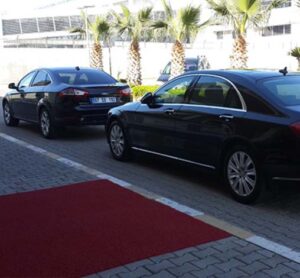
For event organizers working with Tri-Valley Limousine, a well-prepared run sheet can help clarify vehicle assignments, pickup sequences, arrival deadlines, and communication responsibilities before the event begins.
This guide explains what to include in a transportation run sheet, how to organize a practical schedule, and how to manage changes without disrupting the entire event.
1. What Is a Transportation Run Sheet?
A transportation run sheet is a written schedule that records the important details of an event’s transportation arrangements.
It acts as a central reference for the event organizer and the people responsible for coordinating pickups, transfers, and drop-offs.
Unlike a simple list of addresses, a run sheet connects each location with a scheduled time, passenger group, vehicle assignment, and specific instructions.
A well-organized document may include:
- Event name and date
- Main organizer and contact details
- Pickup and drop-off addresses
- Passenger groups and headcounts
- Vehicle assignments
- Scheduled departure and arrival times
- Route sequence
- Waiting periods
- Return transportation
- Special instructions
- A procedure for communicating changes
The amount of detail depends on the event. A small birthday celebration may need only a few entries, while a corporate event with several hotels and meeting locations requires more coordination.
The goal is to create a practical schedule that everyone involved can understand.
2. Start With the Event Details
Before assigning vehicles or selecting pickup times, record the basic event information.
Include the event date, expected start and finish times, venue address, number of attendees, and the name of the person responsible for transportation coordination.
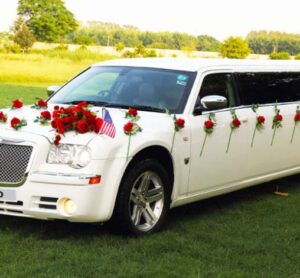
Also identify any fixed deadlines. For example, wedding guests may need to arrive before the ceremony, corporate attendees may have a scheduled registration period, and concert guests may need to reach the venue before the performance starts.
These deadlines should guide the transportation schedule.
Identify the Main Locations
List every relevant address, including:
- Initial pickup locations
- Hotels or accommodation properties
- Offices or meeting points
- The primary event venue
- Additional stops
- Final drop-off locations
Use full street addresses rather than general descriptions such as “downtown Pleasanton” or “near the venue.”
If a venue has a separate entrance for passenger loading, record the approved meeting point and any access instructions. Verify these details with the venue when necessary.
Accurate addresses help prevent confusion and make it easier to estimate travel times.
3. Build a Passenger and Group List
A transportation plan should identify how many people need a ride and where each group will board.
This is particularly important when attendees are staying at different hotels or traveling from separate locations across the East Bay.
For example, a corporate event might include one group departing from Dublin, another from Pleasanton, and a smaller group joining from Livermore. Rather than treating the attendees as one undifferentiated group, organize them according to their pickup requirements.
Create a passenger table with the following information:
| Passenger group | Pickup location | Headcount | Destination | Required arrival |
|---|---|---|---|---|
| Group A | Hotel in Dublin | 12 | Event venue | 5:30 p.m. |
| Group B | Office in Pleasanton | 8 | Event venue | 5:30 p.m. |
| Group C | Hotel in Livermore | 6 | Event venue | 5:30 p.m. |
These figures are illustrative examples, not actual bookings.
The table helps reveal whether the groups can share a vehicle or whether separate transportation arrangements would be more practical.
Confirm the final passenger count before assigning vehicles. If the number changes, review the seating capacity and timetable rather than simply adding passengers to the existing plan.
4. Assign Vehicles According to Passenger Needs
The transportation run sheet should show which vehicle is responsible for each passenger group.
Vehicle assignments should be based on approved passenger capacity, luggage requirements, route access, and the type of event.
For instance, a small executive group traveling between an office and a restaurant may require a different vehicle arrangement from a wedding party or a large group of event attendees.
When working with Tri-Valley Limousine, provide the estimated headcount and itinerary before finalizing the vehicle arrangements.
Record the following details for each assignment:
- Vehicle type
- Passenger group
- Pickup point
- Planned departure
- Destination
- Expected arrival
- Return assignment, if applicable
Do not assume that two vehicles of a similar category have identical passenger or luggage capacity. Confirm the details of the specific vehicle being reserved.
If the event requires more than one vehicle, make sure the assignments are clear enough that the organizer can identify which group belongs to each one.
5. Create a Realistic Timeline
The transportation run sheet should work backward from the time people must arrive at the event.
If attendees need to be inside a venue by 6:00 p.m., the vehicle should not be scheduled to arrive at the entrance at exactly 6:00 p.m. The plan should account for unloading, walking to the venue entrance, registration, and any other arrival requirements.
Use this approach:
Required arrival time → Allowance for arrival procedures → Estimated journey time → Traffic buffer → Pickup time
The exact buffer depends on the route, time of day, number of passengers, and event requirements.
When several pickup locations are involved, calculate the schedule for the entire route rather than estimating each trip independently.
Include boarding time at every stop. Collecting twelve passengers may take longer than collecting two, especially when attendees are carrying bags or need assistance entering the vehicle.
A timetable that looks efficient on paper may fail if it allows insufficient time for people to board.
6. Organize Multiple Pickup Stops in a Logical Sequence
Multiple pickups can make event transportation more complex.
If a vehicle must collect guests from several locations, arrange the stops to reduce unnecessary backtracking and keep arrival times realistic.
Start by mapping all the addresses and identifying the destination. Then consider road access, traffic, permitted loading areas, and the passenger count at each stop.
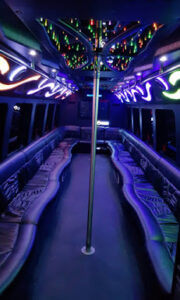
For example, a wedding transportation plan may involve collecting the wedding party at one address, family members at a hotel, and additional guests from another designated meeting point.
The order of the stops should reflect the practical route and the time at which each group needs to arrive.
Avoid adding extra stops at the last minute without reviewing their effect on the schedule.
A good run sheet should also identify which stops are fixed and which may be adjusted if conditions change.
7. Include Return Transportation
Return transportation deserves its own section in the run sheet.
Event organizers sometimes spend considerable time planning arrivals but leave the departure schedule unclear. This can create confusion when guests finish at different times or need to travel to separate destinations.
Before the event, decide whether passengers will:
- Return to their original pickup location
- Travel back to a hotel
- Leave from a designated central point
- Use separate drop-off routes
- Depart at different scheduled times
Record the expected finish time, the return pickup location, and the person responsible for coordinating passengers.
If the event has no fixed ending time, discuss the transportation requirements in advance. Confirm whether the booking includes waiting time or whether an extension needs to be arranged.
For a wedding or corporate function, a clearly documented return plan helps avoid a situation where attendees are ready to leave but do not know where to meet their vehicle.
8. Add Contact Information and Responsibilities
A transportation run sheet should identify who is responsible for communicating updates.
Without a clear point of contact, several attendees may contact the driver or coordinator with different instructions. This can result in conflicting pickup requests and confusion about the intended route.
Designate one primary transportation coordinator for the event.
Include the coordinator’s name and contact details in the working document, and share the relevant contact information with the people who need it.
The document should clarify:
- Who confirms passenger headcounts
- Who communicates schedule changes
- Who handles late arrivals
- Who contacts the transportation provider
- Who confirms the return arrangements
- Who informs guests about their pickup location
Share only the personal information necessary for coordination, and distribute the document only to people who need access to it.
For larger events, keep one master version of the run sheet so that everyone works from the same information.
9. Prepare for Traffic and Delays
Traffic conditions across the East Bay can vary according to the time of day, route, roadworks, and unexpected incidents.
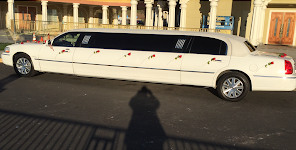
A transportation run sheet should therefore include a reasonable buffer before important event deadlines.
Do not base the entire schedule on the fastest estimated journey time. Instead, consider the consequences if a vehicle takes longer than expected.
For example, a group traveling from San Ramon to an event in Oakland may need more time than a short transfer within one neighborhood.
Before confirming the final timetable, check current route estimates and discuss any time-sensitive requirements with the transportation provider.
It is also useful to identify flexible parts of the schedule. If one stop is optional, record that fact so the organizer can discuss adjustments if necessary.
A contingency plan does not guarantee that delays will be avoided, but it gives the organizer a clear procedure for responding to them.
10. Record Venue Access and Loading Instructions
A complete run sheet should include relevant information about where vehicles can collect or discharge passengers.
Some event locations have dedicated loading areas, security procedures, gate access requirements, or restrictions on vehicle stopping.
These details should be confirmed before the event rather than left for the driver to discover on arrival.
Record:
- Approved passenger loading area
- Venue entrance to use
- Access instructions, where required
- Contact person at the venue
- Any confirmed vehicle restrictions
- Expected passenger walking time
For weddings, a venue may have separate entrances for the ceremony, reception, or service vehicles. For corporate events, registration may take place in a different building from the main meeting.
Check the address and meeting point for each stage of the event. A small difference in entrance location can affect both the route and the arrival timetable.
11. Use a Simple Transportation Run Sheet Template
The following example illustrates how an event organizer can document a basic transportation plan.
| Time | Pickup / stop | Group | Planned action |
|---|---|---|---|
| 4:30 p.m. | Hotel in Dublin | Group A | Board vehicle |
| 4:50 p.m. | Office in Pleasanton | Group B | Collect passengers |
| 5:15 p.m. | Event venue | All assigned passengers | Scheduled arrival |
| 5:30 p.m. | Event entrance | Organizer | Confirm guest arrival |
| 9:30 p.m. | Designated pickup point | Return groups | Begin return transfers |
This is an illustrative schedule, not a recommended timetable for a specific route. Actual times should be calculated from the addresses, passenger count, road conditions, and venue requirements.
For a larger event, create separate entries for each vehicle instead of combining all movements into one table.
Each vehicle should have a clear route, group assignment, and expected finish time.
12. Review the Run Sheet Before the Event
Once the first version is complete, review it against the actual transportation booking.
Check that all addresses are correct, vehicle capacities are suitable, and pickup times leave enough room for travel and boarding.
Confirm that the booked service hours cover the planned movements. If the itinerary includes additional stops or a late return, make sure those requirements are covered by the reservation.

Then share the finalized instructions with the relevant attendees and event contacts.
A final review should include:
- Confirmed reservation date
- Vehicle type and passenger capacity
- Full pickup and destination addresses
- Boarding and arrival times
- Event venue access instructions
- Return transportation
- Coordinator contact information
- Waiting-time and overtime arrangements
If any major detail changes after the review, update the master document and notify the affected people.
This helps prevent different members of the organizing team from relying on outdated instructions.
Frequently Asked Questions
What is included in a transportation run sheet?
A run sheet usually contains the event details, pickup addresses, passenger groups, vehicle assignments, scheduled times, routes, venue instructions, coordinator contacts, and return transportation arrangements.
Who should prepare the transportation run sheet?
The event organizer or designated transportation coordinator usually prepares it. The information should then be checked against the confirmed itinerary and shared with the people responsible for transportation.
How far in advance should I create a run sheet?
Begin once the main locations, event date, passenger requirements, and transportation arrangements are known. Review and confirm the document again closer to the event, particularly if the itinerary changes.
Should every vehicle have a separate schedule?
For events involving multiple vehicles, creating a separate schedule for each vehicle can make assignments and timing easier to understand. A master document can still contain an overall view of the event.
What should I do if a pickup time changes?
Update the master run sheet and communicate the change to the transportation coordinator, provider, and affected passengers. Confirm any changes to the booked service before assuming the revised schedule is accepted.
Can a run sheet help with wedding transportation?
Yes. A wedding run sheet can coordinate pickups for the couple, wedding party, family members, and guests. It can also document ceremony arrivals, photo stops, reception transfers, and return transportation.
Final Thoughts
A transportation run sheet provides a practical way to coordinate passenger groups, vehicle assignments, routes, and arrival deadlines for an East Bay event.
The most effective document is accurate, easy to read, and built around the real itinerary. It should include realistic travel times, clearly assigned responsibilities, venue access details, and a plan for return transportation.
For events in Pleasanton, Dublin, Livermore, San Ramon, Danville, Walnut Creek, Concord, and surrounding communities, preparing these details in advance can make transportation easier to manage.
Tri-Valley Limousine can be included in the planning process when arranging event transportation. Share the proposed schedule, passenger count, addresses, and required service hours when discussing a reservation, then use the confirmed details to complete the run sheet.
With one reliable schedule and a clear communication process, event organizers can reduce avoidable confusion and give transportation the structure it needs to support the rest of the event.


