
Graduation is an important milestone for students and families. Whether the celebration marks the completion of high school, college, or a professional program, transportation can be an important part of organizing the day. Families may need to travel between a school ceremony, a restaurant, a private event venue, and home. When several relatives or friends attend, coordinating everyone can become challenging.
In Pleasanton, California, graduation celebrations may involve local schools, nearby college campuses, restaurants, banquet facilities, and private residences. A well-organized transportation plan helps families manage arrival times, coordinate group travel, and reduce the stress of navigating unfamiliar parking areas.

Tri-Valley Limousine serves the local transportation market, where planning around passenger numbers, schedules, and destinations can help make special occasions easier to coordinate. This guide explains how to plan graduation transportation in Pleasanton, choose an appropriate vehicle, and organize the day from the ceremony through the final drop-off.
Why Graduation Transportation Requires Advance Planning
Graduation days often involve several activities scheduled close together. A ceremony may have a fixed start time, designated parking arrangements, and instructions for guests entering the venue. Afterward, families may plan photographs, a meal, or a larger celebration.
These activities can create transportation challenges, especially when guests are traveling from different locations. Some relatives may arrive directly at the school, while others may meet the family at a restaurant or event venue.
Traffic can also affect the schedule. Roads near schools and popular event locations may become busy when ceremonies finish and multiple families leave at the same time. Parking availability can vary depending on the venue, the number of ceremonies taking place, and other local events.
Planning transportation in advance helps answer important questions:
- How many people need a ride?
- Where should passengers meet?
- How much time is needed between the ceremony and celebration?
- Will the group travel together or in separate vehicles?
- Where will everyone be dropped off at the end of the day?
Addressing these questions early makes it easier to build a realistic itinerary.
1. Start With the Graduation Schedule
Before arranging a vehicle, confirm the ceremony details. Graduation schedules can vary by school, college, and educational program. Some ceremonies last longer than expected, while others have specific arrival instructions for graduates and guests.
Record the ceremony’s date, start time, venue address, guest entrance, and any parking or drop-off restrictions. If the graduate is participating in the ceremony, their schedule may differ from the schedule for family members.

For example, graduates may need to arrive well before guests to check in, collect their gowns, or attend a rehearsal. Family transportation should account for these separate arrival requirements.
It is also useful to confirm when guests are expected to leave the venue. A ceremony that begins in the morning may finish around lunchtime, while an evening event could lead directly into a dinner reservation.
Do not schedule transportation based only on the ceremony’s advertised duration. Allow time for seating, speeches, the presentation of diplomas, photographs, and the movement of large crowds after the event.
2. Decide Who Needs Transportation
The passenger list determines the type of vehicle and the number of trips required. Start by listing everyone who needs transportation and identifying where each person will begin the day.
A small family may only need a sedan or SUV. A larger group with grandparents, siblings, cousins, and family friends may prefer to travel together in a suitable passenger vehicle.
Consider whether every attendee will follow the same schedule. Some guests may attend only the ceremony, while others may join the meal afterward. If the group separates during the day, one vehicle may not meet everyone’s needs.
Create a simple passenger list that includes:
- The number of adults and children
- Each passenger’s pickup location
- Whether anyone needs additional boarding assistance
- The destinations each person must reach
- Whether passengers need transportation after the celebration
The final count should reflect the actual number of people traveling, not simply the number of invitations sent.
Confirm the vehicle’s approved passenger capacity before booking. A vehicle that technically fits the group may not offer the space or flexibility needed for a comfortable trip.
3. Choose the Right Vehicle for the Occasion
The best vehicle depends on group size, travel distance, comfort requirements, and the number of stops. Graduation transportation does not necessarily require a large vehicle, but the choice should support the day’s schedule.

A sedan may work for a graduate and a small number of family members. An SUV can provide additional passenger space, depending on its configuration. For larger family groups, a passenger van or other suitable group vehicle may be more practical.
When comparing vehicles, consider how many passengers will travel together and whether everyone will be carrying personal items, gifts, or graduation-related belongings. If the group has special accessibility requirements, discuss those needs with the transportation provider before confirming the reservation.
| Graduation arrangement | What to consider |
|---|---|
| Graduate and immediate family | A sedan or SUV suited to the passenger count |
| Extended family group | A passenger vehicle with adequate capacity |
| Ceremony followed by a family meal | A vehicle and schedule that accommodate both locations |
| Multiple pickup addresses | Route planning and additional travel time |
| Large celebration with separate return destinations | Multiple vehicles or an agreed drop-off sequence |
These are general planning suggestions. Confirm actual vehicle capacity, accessibility, and availability with the provider.
4. Plan the Route Around Pleasanton Traffic
Pleasanton is connected to other Tri-Valley communities through major roads, including Interstate 580, Interstate 680, and local routes such as Santa Rita Road and Hopyard Road. Traffic conditions can vary by time of day and by the location of the ceremony or celebration.
A route that looks straightforward on a map may take longer when a school ceremony ends and many vehicles leave at once. Nearby intersections and parking areas may also become congested.
When preparing the itinerary, identify the ceremony location, the next destination, and the final drop-off points. Check travel conditions close to the event date and allow a reasonable buffer between scheduled activities.
If the group plans to visit several places, arrange stops in a logical order. Avoid adding unnecessary detours that could make the schedule difficult to maintain.
Discuss the itinerary with the transportation provider, including any expected waiting time. If the graduation venue has special traffic instructions, share them before the event.
A practical schedule should leave room for photographs and greetings without making the rest of the day feel rushed.
5. Coordinate Ceremony Drop-Off and Pickup
Large ceremonies can make pickup and drop-off more complicated than an ordinary journey. Some schools and venues use designated passenger loading zones, while others restrict vehicle access near the entrance.
Read the venue’s instructions before choosing a meeting point. Never assume that a driver can wait directly outside the building or enter a restricted parking area.
Select a clear, permitted pickup location that passengers can find easily. A designated entrance or nearby public meeting point may be more practical than a busy curb where stopping is prohibited.
Send the meeting instructions to everyone in the group before the event. Include the exact address, the entrance to use, and the time passengers should be ready.
After the ceremony, crowds may take time to leave the venue. Establish a simple communication plan so the organizer can notify the driver when the group is approaching the pickup point.
If mobile reception is unreliable at the venue, agree on a backup meeting procedure in advance.
6. Organize Transportation Between the Ceremony and Celebration
Many graduation celebrations include more than one destination. Families may attend the ceremony, take photographs, visit a restaurant, and then continue to a private gathering.
The transition between these activities deserves careful planning. A restaurant reservation may have a fixed time, while photographs and conversations after graduation can take longer than expected.
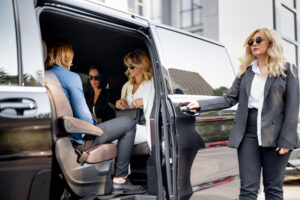
Before booking transportation, list every stop and estimate how much time the group needs at each location. Include the expected travel time and a buffer for delays.
For example, an itinerary might include:
- Family pickup at a designated location.
- Drop-off near the graduation venue.
- Pickup after the ceremony.
- Travel to a restaurant for lunch or dinner.
- Transfer to a private celebration or home.
The exact arrangement will depend on the event. Some families may prefer to book separate transfers, while others may need a vehicle to remain available throughout several activities.
Ask the transportation provider which service arrangement best fits the schedule. Clarify whether waiting time is included and how additional stops affect the price.
7. Make Space for Family Photographs and Special Moments
Photographs are often an important part of graduation day. Families may want pictures with the graduate outside the school, near a campus landmark, or at a scenic location before dinner.
If photographs are part of the plan, include them in the itinerary rather than treating them as an unexpected stop. Consider the time required to gather the group, move between locations, and take pictures without delaying a restaurant reservation.
Choose locations that allow safe and permitted stopping. A visually attractive location may not be suitable for a vehicle pickup if there is no legal loading area.
The group should also decide where personal belongings and graduation items will be kept while everyone takes photographs. This can help avoid unnecessary searching and delays.
If the graduate plans to change clothes after the ceremony, identify where that will happen and whether a stop is needed. Small details like these can influence the timing of the entire celebration.
8. Review the Budget Before Booking
Graduation expenses can include clothing, gifts, meals, venue fees, photography, and transportation. Setting a transportation budget early helps families compare suitable options.
Prices may vary based on vehicle type, service duration, passenger count, travel distance, waiting time, and the number of stops. Request a written quote that reflects the actual itinerary rather than asking for a general estimate without trip details.
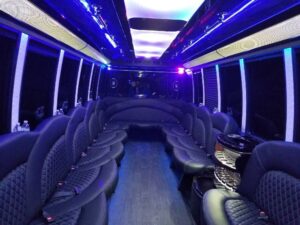
Check whether the quote includes the full planned service period, additional stops, applicable fees, and any required deposit. Ask how overtime is calculated if the ceremony or celebration runs late.
Also review the cancellation and rescheduling terms. Graduation dates are usually announced in advance, but family plans and event schedules can still change.
When comparing providers, evaluate the complete service arrangement rather than choosing solely on the initial price. A quote that accurately includes the required stops and waiting period may be easier to budget for than an incomplete estimate.
9. Consider Guests With Different Mobility Needs
Graduation celebrations often bring together people of different ages and mobility levels. Grandparents or other relatives may need additional time to board, walk to a pickup point, or move between locations.
Discuss these requirements when arranging transportation. Ask the provider about vehicle access, step height, available seating, and whether an accessible vehicle is available if needed.
Choose meeting points that minimize unnecessary walking where venue rules permit. If the ceremony location has accessible entrances or designated loading areas, include those details in the itinerary.
Avoid scheduling stops too close together if some passengers need extra time to move between the vehicle and venue. A realistic schedule helps everyone participate without feeling rushed.
Accessibility needs should be confirmed directly with the provider rather than assumed from a vehicle’s appearance or general description.
10. Prepare a Clear Itinerary for Family Members
A written itinerary helps everyone understand the day’s schedule. It is especially valuable when several relatives are arriving from different locations or when the group is using more than one vehicle.
Include the event date, pickup time, pickup address, ceremony venue, post-ceremony destination, and final drop-off arrangements. If the transportation plan includes multiple vehicles, identify which passengers should board each one.
Share the itinerary early enough for family members to review it. Remind everyone to be ready at the agreed pickup time and to contact the organizer if their plans change.
Choose one person to coordinate with the transportation provider. This avoids conflicting instructions when several family members attempt to change the schedule independently.
Keep the booking confirmation and provider contact details available on the day. A final check before departure can help identify changes in passenger count, timing, or destinations.
Graduation Transportation Planning Checklist
Use this checklist to prepare for a graduation celebration in Pleasanton.
-
Confirm the ceremony date, venue, and start time.
-
Check arrival and parking instructions from the school or venue.
-
Finalize the passenger count and pickup addresses.
-
Choose a vehicle with suitable capacity.
-
Plan travel time and allow a buffer for traffic.
-
Schedule photographs and post-ceremony activities.
-
Confirm restaurant reservations and other destinations.
-
Review the quote, waiting time, fees, and cancellation terms.
-
Share pickup and drop-off instructions with the group.
-
Reconfirm the transportation booking before the event.
Final Thoughts
Graduation transportation in Pleasanton is easier to manage when the schedule, passenger list, route, and destinations are organized before the event. Families should consider the ceremony’s timing, local traffic, vehicle capacity, pickup restrictions, and any activities planned after graduation.
A written itinerary helps guests understand where to meet and how they will travel throughout the day. Confirming vehicle details and pricing in advance also makes it easier to plan the celebration within the available budget.
Tri-Valley Limousine can be considered when comparing local transportation options for graduation celebrations. Before finalizing any arrangement, confirm availability, passenger capacity, the complete route, service duration, and booking terms directly with the provider.
With thoughtful preparation, families can spend less time coordinating travel and more time celebrating the graduate’s achievement.


