
Corporate events require careful planning, especially when employees, clients, executives, and business partners need to travel to the same destination. Whether a company is organizing a business dinner, an employee appreciation event, a networking reception, or an annual corporate gathering, transportation plays an important role in keeping the schedule organized.
In San Ramon, California, corporate events may take place at hotels, conference facilities, restaurants, office campuses, and private event venues. Attendees may arrive from different parts of the Tri-Valley region, including Dublin, Pleasanton, Danville, and Livermore. Without a clear transportation plan, coordinating arrivals and departures can become difficult.
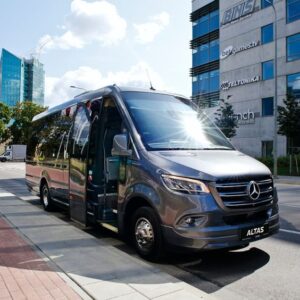
Corporate event transportation in San Ramon, CA, involves selecting appropriate vehicles, organizing pickup locations, managing schedules, and preparing for traffic or other delays. A structured plan helps businesses coordinate attendees while maintaining a professional approach to the event.
Tri-Valley Limousine is a relevant local transportation provider to consider when researching limousine and chauffeur arrangements for corporate gatherings. The right transportation option depends on the event’s purpose, passenger count, travel distance, and schedule.
1. Identify the Purpose and Size of the Corporate Event
The first step is understanding what type of corporate event the company is organizing. A small executive dinner has different transportation requirements from a regional business conference or a company-wide celebration.
For example, a business meeting may involve only a few executives traveling between an office and a restaurant. A networking reception may require transportation for several groups arriving from different locations. An employee appreciation event could involve multiple departments traveling together.
Before arranging transportation, establish the following details:
- The event date and location
- The expected number of attendees
- The scheduled start and finish times
- The number of pickup locations
- Whether attendees require return transportation
- Any special requirements for executives, clients, or guests
These details help determine the number and type of vehicles required. They also make it easier to prepare a realistic schedule and transportation budget.
If the event includes both employees and external guests, consider whether separate pickup arrangements are appropriate. Some attendees may travel directly to the venue, while others may need transportation from a hotel, office, or regional transit connection.
2. Select a Suitable Vehicle for Business Travel
Choosing the right vehicle is an important part of corporate transportation planning. The decision should reflect passenger capacity, comfort, luggage requirements, and the nature of the event.
Several vehicle types may be suitable for business travel.

Executive sedans
Sedans can work well for individual executives, visiting clients, and small business meetings. They may be appropriate when privacy, direct transportation, and a simple itinerary are priorities.
Luxury SUVs
An SUV may be useful for a small group traveling together or for passengers who need additional luggage space. Actual seating capacity and storage space vary by vehicle.
Stretch limousines
A limousine may suit a formal corporate dinner, executive celebration, or special business occasion. The selected vehicle should match the passenger count and the event’s transportation requirements.
Passenger vans and group vehicles
Vans and other group vehicles can help coordinate transportation for employees attending the same event. Instead of arranging several separate rides, a company may be able to organize a shared trip from a central meeting point.
The best choice depends on the itinerary rather than appearance alone. Always verify the vehicle’s legal passenger capacity, available luggage space, and any accessibility features before confirming a reservation.
3. Create a Transportation Schedule
A corporate event schedule should include more than the event’s official start time. It should also account for passenger boarding, travel time, parking or drop-off arrangements, and walking to the venue entrance.
For example, if a business dinner begins at 6:30 p.m., attendees may need to arrive earlier to check in, meet colleagues, or prepare for the program. Scheduling transportation to arrive at the exact start time can leave little room for unexpected delays.
Build a timeline that includes:
- Passenger gathering time
- Vehicle departure time
- Estimated travel duration
- Planned arrival time
- Event start and finish times
- Return transportation arrangements
Share the schedule with attendees in advance. If several vehicles are involved, give each group clear pickup instructions and a designated departure time.
A central coordinator can manage communication between the transportation provider and event organizers. This helps reduce confusion if the agenda changes or a passenger is running late.
4. Consider Traffic Around San Ramon
San Ramon connects with several important roads used by commuters and business travelers. Interstate 680 is a major route for people traveling between San Ramon, Danville, Dublin, Pleasanton, and other parts of the East Bay.

Traffic conditions can vary depending on the time of day, road incidents, construction, and the location of the event. Weekday evening events may overlap with commuter traffic, while major business gatherings can create additional demand near conference venues and restaurants.
To manage these conditions, check traffic shortly before departure and allow a reasonable buffer in the schedule.
If attendees are traveling from different cities, estimate travel times separately instead of assuming every vehicle will reach the destination at the same time. Groups arriving from Livermore or Dublin may have different routes and traffic conditions from those departing within San Ramon.
For important meetings or formal events, an earlier arrival is generally easier to manage than a delayed arrival. The schedule should also allow time for passengers to exit the vehicle and reach the meeting room or event space.
5. Organize Pickup Locations for Employees and Guests
Corporate attendees may begin their journeys from offices, hotels, homes, or other meeting points. Multiple pickups can be convenient, but an unplanned route may increase travel time and create scheduling problems.
Whenever practical, establish a central pickup location. A company office, hotel entrance, or suitable meeting point may work if the property permits passenger loading and there is enough space for the vehicle to stop safely.
If several stops are necessary, organize them in a logical order. Avoid unnecessary backtracking across San Ramon or surrounding communities.
Provide every attendee with clear instructions that include:
- The complete pickup address
- The scheduled arrival time of the vehicle
- The planned departure time
- A contact person for questions
- Instructions for late arrivals
- The destination and expected arrival time
For visiting clients or executives unfamiliar with the area, simple directions are especially helpful. A written itinerary reduces the need for repeated calls and allows guests to prepare for the journey.
6. Coordinate Transportation Between Hotels and Event Venues
Companies frequently host meetings and corporate gatherings at locations separate from where attendees are staying. Guests may book rooms in San Ramon, Dublin, Pleasanton, or other nearby communities, depending on availability and the event location.
If attendees are staying at different hotels, determine whether they can use one central pickup point or whether separate vehicles are more practical.
Consider the number of guests at each property, the distance to the venue, and the time needed for each pickup. A route that includes several hotels may require a longer travel window than a direct transfer.
Hotel pickup arrangements should also be confirmed with the property when necessary. Some entrances have restrictions on vehicle waiting, passenger loading, or commercial transportation access.
For multi-day conferences, consider preparing a separate schedule for each day. Meeting locations and start times may change, so a single itinerary may not be sufficient for the entire program.
7. Compare Group Transportation With Individual Rides
Businesses can choose between individual transportation arrangements and shared group travel. Each option has advantages depending on the size and structure of the event.

Individual rides may be suitable when attendees have different schedules, separate destinations, or specific privacy requirements. Shared transportation may work better when several employees are traveling from the same office or hotel to one venue.
When comparing the options, evaluate:
- The total number of passengers
- The number of separate trips required
- The travel distance for each group
- The event’s start and finish times
- The need for separate return schedules
- The total cost of transportation
Shared transportation can reduce the number of vehicles needed for an event, but it may require attendees to follow a common departure schedule. Individual arrangements offer greater flexibility but can make coordination more complicated.
The most practical solution is the one that meets the event’s operational needs without introducing unnecessary travel or scheduling difficulties.
8. Prepare a Corporate Transportation Budget
Transportation costs should be considered early in the event-planning process. Waiting until the final stages may limit vehicle availability or create budget pressure.
Pricing may depend on the vehicle type, reservation duration, mileage, number of stops, and time of day. Additional charges may apply for extended waiting, parking, tolls, or schedule changes.
When requesting a quote, provide the complete itinerary rather than only the event address. Include the pickup locations, passenger count, destination, expected return time, and any additional stops.
Ask the transportation provider to clarify:
- The base rate and minimum booking period
- Whether the quote covers round-trip travel
- Charges for additional waiting time
- Costs for extra stops or route changes
- Applicable parking and toll expenses
- Gratuity and other service fees
- Cancellation and rescheduling policies
For a group event, divide the expected total by the number of attendees to estimate the cost per passenger. This can help event organizers compare vehicle options and evaluate whether shared transportation fits the budget.
Keep the confirmed estimate with the event records so the finance team can review the expected expense.
9. Account for Executive and Client Requirements
Some corporate events involve visiting executives, prospective clients, speakers, or business partners who have specific travel expectations. Their transportation arrangements may require additional attention to timing, privacy, accessibility, and communication.

For example, a visiting executive may need a direct transfer from a hotel to an office meeting, while a group of employees may travel together to an evening reception.
Identify these requirements before selecting vehicles. If individual arrangements are necessary, include them in the overall transportation plan rather than treating them as last-minute exceptions.
Confirm the pickup address, passenger name where appropriate, destination, and contact procedure. For sensitive business meetings, share itinerary details only with the people who need them.
It is also important to consider accessibility. If an attendee needs an accessible vehicle or additional boarding time, communicate those requirements in advance and confirm that the assigned vehicle can accommodate them.
10. Plan the Return Journey
Return transportation should be arranged before the event begins, particularly when a large group is involved.
Corporate dinners, networking sessions, and award ceremonies may finish later than expected. If transportation is scheduled for a fixed time, a delayed program can create additional waiting charges or leave attendees uncertain about their departure.
Discuss the expected finish time with the event organizer and establish a practical return window. If the program includes speeches, presentations, or networking, consider how long those activities are likely to take.
Determine whether the vehicle will wait at an authorized location, return at a scheduled time, or collect passengers after a specified call or message.
For groups departing at different times, separate return arrangements may be necessary. Communicate the procedure clearly so attendees know where to meet and whom to contact.
Avoid assuming that a vehicle can wait directly outside a venue. Local traffic rules and property restrictions may require a designated pickup area.
11. Choose a Transportation Provider Carefully
Selecting a transportation provider involves more than comparing the initial price. Businesses should consider vehicle suitability, communication, scheduling procedures, and the clarity of the booking terms.
When researching corporate transportation in San Ramon, compare providers based on the requirements of the specific event.
Ask about vehicle availability, passenger capacity, chauffeur arrangements, and procedures for managing itinerary changes. Confirm how the provider communicates pickup details and handles delays.
It is useful to review the written terms before finalizing a reservation. Make sure the agreed service, timing, locations, charges, and cancellation policy are clearly documented.
Tri-Valley Limousine is one local provider businesses may research when evaluating limousine and chauffeur options for events in the Tri-Valley region. The suitability of any provider should be assessed against the company’s actual travel requirements, budget, and schedule.
12. Use a Corporate Event Transportation Checklist
A checklist can help event organizers keep transportation details in one place.
Before the event, confirm the following:
- Final attendee and passenger count
- Event venue and complete address
- Pickup locations and departure times
- Vehicle types and passenger capacities
- Estimated travel time and traffic buffer
- Venue drop-off and pickup instructions
- Accessibility or special passenger requirements
- Return schedule and backup arrangements
- Total quoted cost and additional fees
- Contact information for the coordinator and provider
Share the finalized itinerary with the relevant attendees before the event. If any details change, update the schedule and notify affected passengers promptly.
This approach helps the company maintain a consistent plan and reduces the risk of missed pickups, conflicting instructions, or unexpected transportation expenses.
Conclusion
Planning corporate event transportation in San Ramon, CA, requires coordination between the event schedule, passenger requirements, vehicle selection, and travel routes. Companies should consider traffic, pickup locations, hotel transfers, costs, accessibility, and return arrangements before confirming a booking.
A clear itinerary gives employees and guests a better understanding of when to depart, where to meet, and how they will return after the event. Comparing transportation options based on passenger numbers and business needs can also help organizations manage their budgets more effectively.
Whether the occasion is a client dinner, networking reception, company celebration, or executive meeting, early transportation planning can make the event easier to coordinate. With the main details confirmed in advance, organizers can focus on the business purpose of the gathering rather than resolving travel arrangements at the last minute.


