
An executive roadshow often involves several business meetings, office visits, client presentations, and networking events scheduled across one day or multiple days. Unlike a standard trip between an airport and a hotel, a roadshow requires careful coordination between locations, meeting times, and transportation arrangements.
In the Tri-Valley area, business travelers may need to move between Pleasanton, San Ramon, Dublin, and nearby business districts. Meetings may take place at corporate offices, conference facilities, hotels, and restaurants, with limited time between appointments.
A well-organized transportation schedule helps executives stay focused on their meetings instead of managing directions, parking, and separate ride bookings. Planning ahead also gives organizers a clearer view of travel times and potential scheduling conflicts.
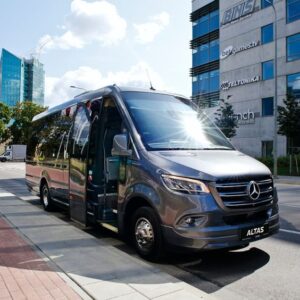
Tri-Valley Limousine provides a local context for businesses evaluating chauffeured transportation for professional travel. This guide explains how to organize a multi-stop executive roadshow, prepare an itinerary, coordinate pickups, and manage changes during a busy business day.
What Is an Executive Roadshow?
An executive roadshow is a planned series of business appointments across multiple locations. It may be arranged for company leadership, visiting executives, investors, sales teams, consultants, or representatives meeting with clients and business partners.
A roadshow can include activities such as:
- Meetings with clients or business partners
- Visits to regional offices
- Investor or stakeholder presentations
- Product demonstrations
- Interviews and professional networking
- Conference attendance
- Business lunches and dinners
- Meetings with multiple departments
The schedule is often tightly organized. If one appointment runs late, the next meeting may be affected. Transportation planning therefore needs to consider the complete itinerary rather than treating every journey as an independent trip.
For companies arranging meetings in Pleasanton and San Ramon, preparing the route in advance can help make the day more predictable.
1. Build the Complete Meeting Itinerary First
Start by collecting all confirmed appointments before arranging transportation. The itinerary should show where each meeting takes place, when it begins, and how much time is available for travel.
Do not schedule the route using meeting start times alone. Executives may need time to enter an office building, check in with reception, prepare presentation materials, or meet other attendees before a session begins.
Create a working schedule with these details:
| Information | What to include |
|---|---|
| Appointment | Meeting name or business purpose |
| Address | Full street address and building details |
| Start time | Confirmed appointment time |
| Expected duration | Planned meeting length |
| Arrival buffer | Time for entry and preparation |
| Next destination | Following appointment location |
| Contact | Person to notify about a schedule change |
For example, an executive might attend a morning meeting in Pleasanton, visit a San Ramon office before lunch, and return to Pleasanton for an afternoon presentation.
The itinerary should make the order of these appointments clear. If a meeting is not yet confirmed, mark it as tentative instead of treating it as a fixed stop.
This helps the transportation coordinator identify possible conflicts before the day begins.
2. Group Meetings by Location Where Practical
The order of appointments can affect the amount of time spent traveling. When meeting times are flexible, consider grouping appointments in the same area.

For instance, if two meetings are scheduled in Pleasanton and another is planned in San Ramon, it may be useful to complete the Pleasanton appointments together. However, the final sequence should depend on the confirmed meeting times, not geography alone.
Review the itinerary for unnecessary backtracking. A route that repeatedly crosses between cities may add travel time and make the schedule more sensitive to traffic.
When reviewing possible sequences, consider:
- The start and end times of each meeting
- The distance between addresses
- Expected traffic during each journey
- Parking or building-access procedures
- Time needed to prepare for the next appointment
- Whether any meeting can be moved without affecting other participants
Use a mapping tool to compare routes, then confirm the practical details of each stop. Estimated driving times are useful planning inputs, but they do not guarantee arrival times.
If appointments cannot be rearranged, build the transportation plan around the fixed commitments and identify where additional time may be needed.
3. Allow a Realistic Buffer Between Appointments
A common roadshow planning mistake is allowing only the estimated driving time between meetings.
An appointment may finish later than expected. A building may have a visitor registration process, or the next meeting room may be some distance from the vehicle drop-off point.
Allow time for the complete transition between appointments.
For each journey, consider:
- Leaving the current meeting location
- Reaching the vehicle pickup point
- Driving to the next address
- Finding the correct entrance or loading area
- Walking into the building
- Checking in and preparing for the meeting
A schedule that leaves only a few minutes between appointments may be difficult to maintain throughout the day.
Where possible, include a reasonable buffer after important meetings. A longer buffer may be appropriate before a presentation, investor meeting, or appointment with several external participants.
The amount of time required depends on the actual route, meeting venue, and traffic conditions. Confirm the itinerary using the addresses and expected travel periods rather than relying on a general estimate.
4. Choose a Suitable Transportation Arrangement
The right transportation arrangement depends on the number of travelers, the length of the roadshow, the number of stops, and whether the vehicle needs to remain available between appointments.

A single executive visiting several locations may have different requirements from a team of four people carrying presentation materials.
When comparing transportation options, consider the following.
Passenger count: Confirm how many executives or colleagues will travel together. The vehicle should have sufficient seating for everyone.
Luggage and work materials: Laptop bags, presentation equipment, samples, and other business materials may require additional storage space.
Number of stops: A multi-stop itinerary should be shared in advance so the transportation provider can understand the complete route.
Service duration: Determine whether the schedule requires individual transfers or a vehicle reserved for a longer period.
Accessibility: Confirm any mobility requirements or special boarding needs before selecting a vehicle.
Changes to the itinerary: Ask how the provider handles additional stops, delayed meetings, or changes to the scheduled finish time.
Tri-Valley Limousine’s fleege is a useful starting point when reviewing available vehicle options. Confirm the actual vehicle, capacity, service duration, and booking conditions before making a decision.
5. Coordinate Executive Pickups Carefully
Pickup arrangements should be clear enough that executives do not have to search for a vehicle between meetings.
For the first pickup, confirm the complete address, the agreed meeting point, and the scheduled time. If the pickup takes place at a hotel or office building, check whether the vehicle should meet passengers at the main entrance or another designated location.
For later stops, establish how the passenger and driver will coordinate the next pickup. The plan should account for buildings with restricted access, busy loading zones, or limited stopping space.
A useful pickup plan includes:
- The pickup address for each stop
- The scheduled pickup time
- The designated meeting point
- The next destination
- A contact method for the transportation coordinator
- Instructions for communicating a delay
For office buildings with several entrances, provide the correct entrance or loading area instead of relying on the building’s general address.
Executives should also know whether the vehicle is expected to remain nearby or return at a scheduled time. That distinction can affect how they manage a meeting that finishes early or late.
6. Plan for Pleasanton and San Ramon Traffic
Roadshow schedules should account for the time of day and the specific routes between appointments.
Traffic conditions can change around major roads and business districts, particularly during commute periods. The route between two nearby locations may also take longer than expected if the journey involves congested intersections, parking access, or building entry procedures.

Before confirming the schedule, review the routes between all stops and check current traffic information closer to the travel date.
For each journey, consider:
- Expected traffic during the planned departure window
- The distance between meeting locations
- Access to office complexes and business parks
- Parking or passenger loading restrictions
- Time needed to reach the meeting room
- Alternative routes if a road is delayed
Do not assume that a short distance automatically means a short transfer. A business complex may have multiple entrances, and the correct drop-off point may not be immediately beside the meeting room.
If the roadshow includes appointments in both Pleasanton and San Ramon, compare the complete sequence rather than calculating each trip independently.
For a multi-day roadshow, review each day’s schedule separately. Traffic patterns, meeting locations, and departure times may differ from one day to the next.
7. Decide Whether to Use Point-to-Point or Hourly Transportation
Two common ways to organize chauffeured business travel are individual transfers and transportation reserved for a longer period.
Point-to-point transportation
Point-to-point service is organized around a particular pickup and destination. It may be suitable when appointments are separated by substantial periods or when executives can arrange their own transportation between meetings.

However, separate bookings require careful coordination. The organizer needs to ensure that each transfer is scheduled for the correct time and address.
Hourly transportation
An hourly arrangement may be worth considering when executives have several appointments throughout the day and need transportation between them.
Depending on the provider’s terms, the vehicle may remain assigned to the group during the booked period. This can simplify coordination when meeting times change, although waiting periods, minimum hours, and overtime charges must be confirmed.
Before comparing costs, share the complete itinerary with the provider. Ask whether the quotation includes all planned stops and what happens if the roadshow extends beyond the scheduled finish time.
Neither arrangement is automatically better for every roadshow. The choice depends on the number of appointments, the gaps between them, and the level of flexibility required.
8. Prepare for Meeting Delays and Last-Minute Changes
Business appointments do not always finish on schedule. A client discussion may run longer than expected, a presentation may need additional preparation, or a meeting may move to another building.
Before the roadshow begins, decide who will communicate changes to the transportation provider.
A designated coordinator can help prevent conflicting instructions. That person should have the latest itinerary, the provider’s contact information, and the authority to communicate approved schedule adjustments.
Prepare a simple process for handling changes:
- Confirm which appointment or journey has changed.
- Check how the change affects the next scheduled meeting.
- Contact the transportation provider with the revised details.
- Inform the executive or passenger group.
- Update the itinerary so everyone follows the same schedule.
Avoid changing several stops informally without reviewing the effect on the rest of the day.
If the roadshow has a fixed final appointment, prioritize preserving enough time to reach it. Where the schedule is flexible, identify which meeting or break could be adjusted if a delay occurs.
9. Coordinate Airport Arrivals and Departures
Some executive roadshows begin or end with airport transportation. Visiting executives may arrive at San Francisco International Airport (SFO), Oakland San Francisco Bay Airport (OAK), or San José Mineta International Airport (SJC) before traveling to meetings in the Tri-Valley.
Airport transfers should be planned separately from the main roadshow itinerary and then incorporated into the full schedule.
Collect the flight details, arrival airport, expected arrival time, passenger count, and first destination. Confirm the meeting instructions and the process for communicating flight delays.

Allow time for the arrival process before scheduling the first business appointment. A landing time is not the same as the time a passenger will be ready to leave the airport.
For departures, work backward from the flight’s recommended airport arrival time and consider the journey from the final meeting location.
Do not place an important meeting immediately before an airport transfer without allowing time for delays. If the meeting schedule changes, communicate the revised pickup requirements as early as possible.
Review the relevant Tri-Valley Limousine website for information about available airport transportation arrangements, and confirm the details for the specific trip.
10. Keep Business Materials and Passenger Requirements in Mind
Executive roadshows can involve more than transporting passengers. Travelers may carry laptops, documents, presentation equipment, samples, or other work-related materials.
Before choosing a vehicle, confirm that there is enough space for the passengers and their belongings.
If several executives are traveling together, ask whether the vehicle layout provides suitable seating for the group. If the itinerary includes a long day with several stops, comfort and easy entry may also be important considerations.
For equipment or unusually large items, explain the requirements before booking. Do not assume that all vehicles provide the same storage capacity.
If a passenger has an accessibility requirement, communicate it in advance and verify that the proposed vehicle and pickup locations are suitable.
These practical details can help prevent last-minute changes and allow the group to focus on the purpose of the roadshow.
11. Review the Quotation and Booking Terms
Before confirming transportation, review the quotation against the final itinerary.

The cost may depend on the vehicle type, service duration, route, number of stops, and applicable fees. A quote for one direct transfer may not cover an entire day of multi-stop travel.
Ask the provider to clarify:
- Which vehicle is included
- The passenger capacity
- The scheduled pickup and finish times
- Whether the vehicle remains available between meetings
- Whether all planned stops are included
- How waiting time is charged
- The policy for additional hours
- Applicable taxes, fees, tolls, parking, and gratuity
- Cancellation and schedule-change conditions
Request written confirmation of the agreed itinerary and expected charges.
If the roadshow includes several days, confirm whether the same arrangement applies throughout the schedule or whether separate bookings are required.
The purpose of reviewing the terms is to ensure that the transportation plan reflects the actual business itinerary and that the organizer understands how changes may affect the total cost.
12. Use a Roadshow Transportation Checklist
A final checklist can help the organizer verify that the transportation plan is complete.
Before the roadshow, confirm:
- Every meeting address has been checked.
- Appointment times and durations are confirmed.
- The route follows the intended meeting sequence.
- Travel buffers have been included.
- Pickup locations are clearly identified.
- Passenger and luggage requirements are known.
- The vehicle and service duration are confirmed.
- Airport transfers are included where necessary.
- The transportation coordinator is identified.
- The provider has the latest itinerary.
- The quotation and booking terms are understood.
- Executives have received the pickup instructions.
Keep one current version of the itinerary available to the organizer and relevant travelers. If a change occurs, update that version rather than allowing several conflicting schedules to circulate.
For a roadshow spanning multiple days, repeat the review for each day’s appointments. The final meeting location, return arrangements, and next day’s first pickup should be clear before the schedule begins.
Conclusion
Planning a multi-stop executive roadshow in Pleasanton and San Ramon requires coordination between business appointments, pickup locations, route timing, vehicle selection, and changes to the schedule.
The process begins with a complete itinerary. Once every meeting and address is confirmed, the organizer can review the route, allow realistic travel buffers, select a suitable transportation arrangement, and provide clear pickup instructions.
For companies arranging executive travel in the Tri-Valley, advance planning can make transportation easier to coordinate across offices, hotels, meeting venues, and airports. A designated coordinator and a shared itinerary also help keep everyone informed when an appointment changes.
By confirming the route and booking terms before the roadshow begins, businesses can make transportation a planned part of the workday rather than a series of last-minute arrangements.


